

#roadtoclimatepositive
fairafric will become climate positive
Reimagining cocoa farming
Become part of our Road to Climate Positive
Chocolate can be part of the solution. We're going beyond emissions reduction and building a system that regenerates and has a long-term impact. Discover how we're making climate-positive chocolate a reality, step by step.
Step by step to the goal
How will fairafric become climate positive?
Measure
For many years, we have been offsetting our unavoidable CO2 emissions with projects in West Africa.
Therefore, we know the CO2 emissions per bar. Now we are starting to measure how much CO2 we can sequester in the soil on the farms from which we source our cocoa.
Avoid
We built the world's first solar-powered organic chocolate factory. All products are packaged in compostable materials, and we recycle as much as we can.
By avoiding plastic and producing its own solar power, fairafric operates in a more environmentally friendly way than industry.
Grow
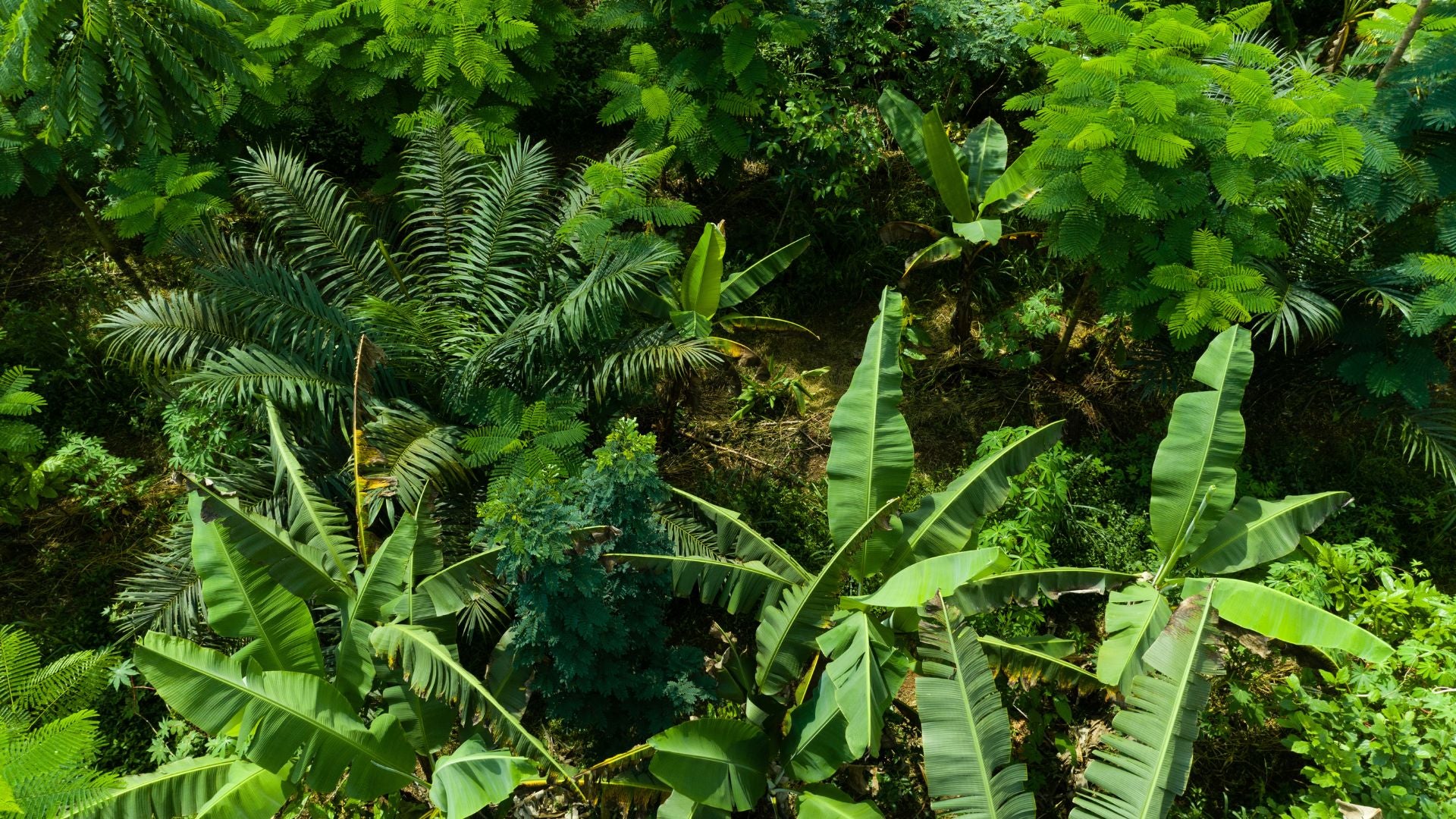
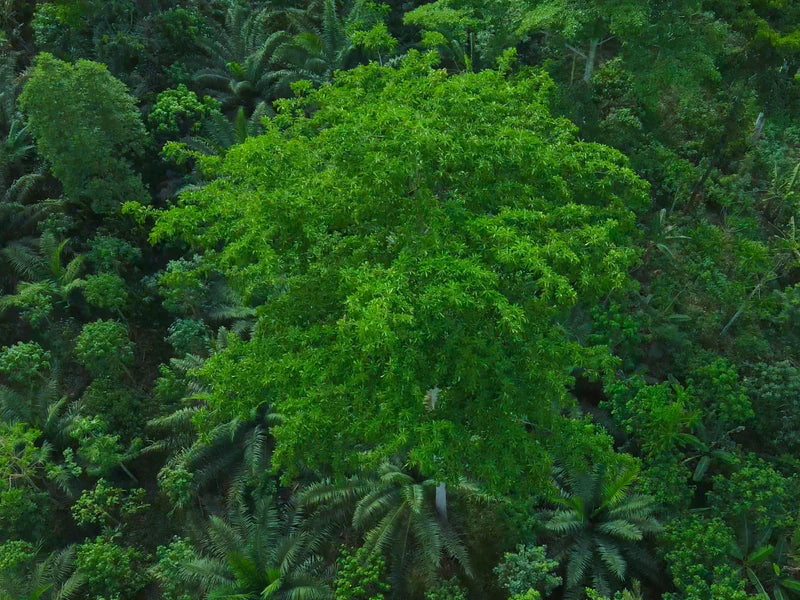
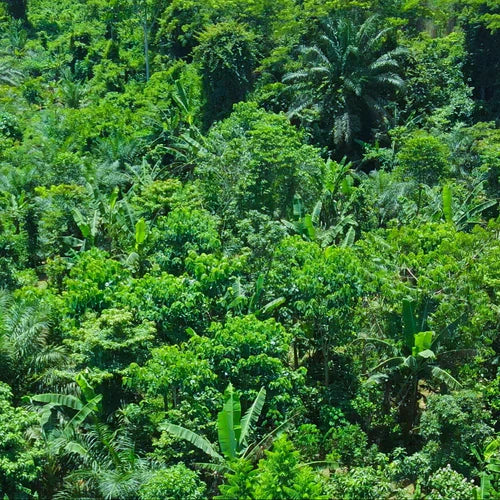
The core of Dynamic Agroforestry (DAF) is to produce as much biomass as possible and to create a symbiosis between a large number of plants, similar to that of the rainforest.
This approach binds large amounts of CO2 from the atmosphere to the soil in the long term.
Produce
Soon, with every bar of fairafric produced, CO2 will disappear from the atmosphere.
And not just in the distant future. Thanks to the power of nature, which is given free rein on DAF farms, every farm acts as a small CO2 vacuum cleaner from day one of the conversion.
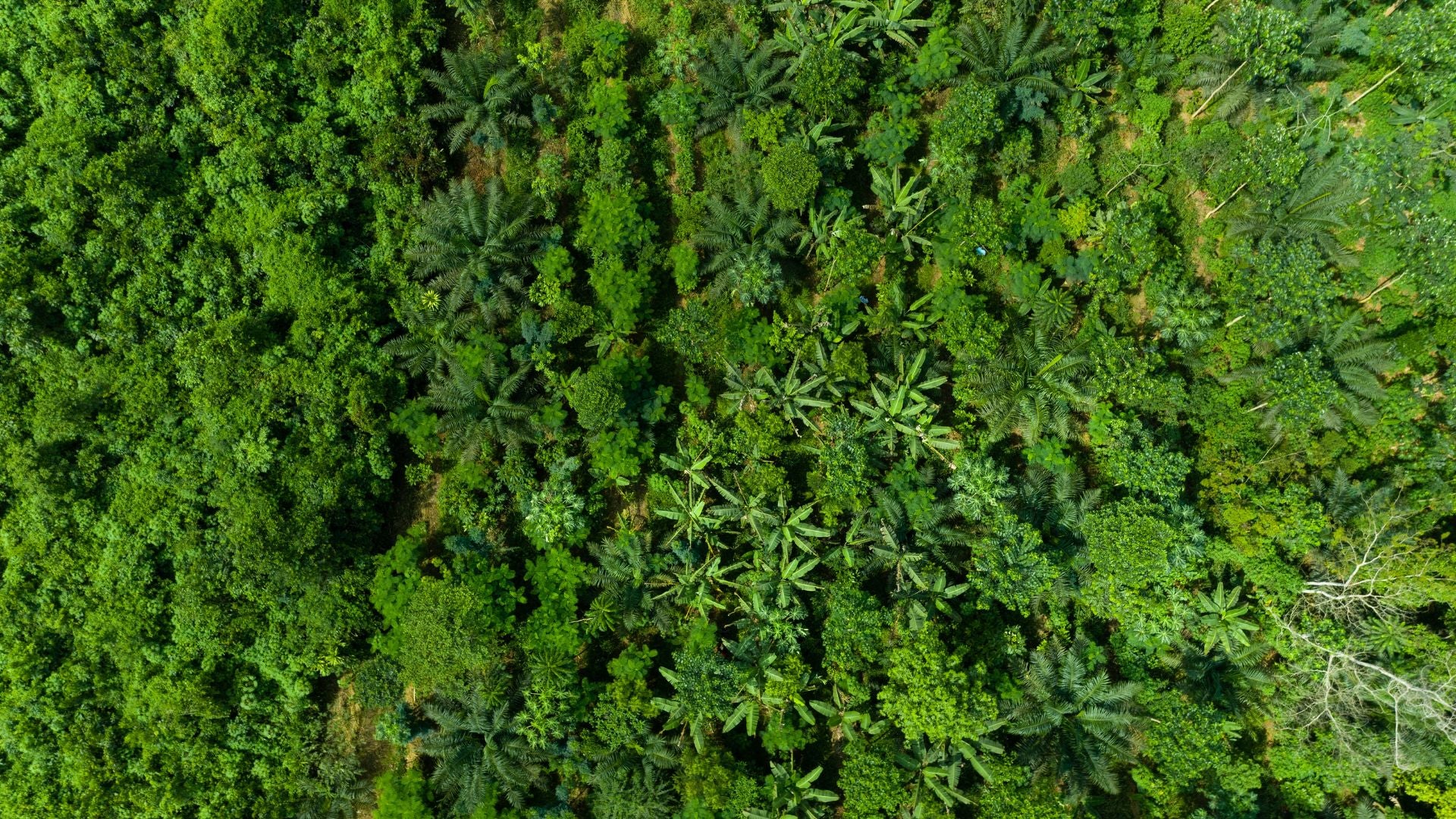
More biodiversity for more resilient farms
#roadtoclimatepositive
What has happened so far:
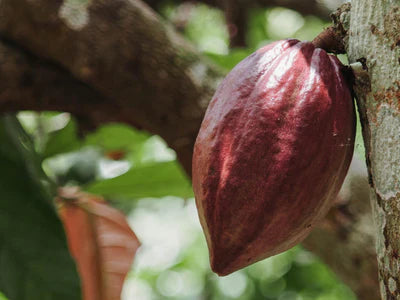
Q1 2024
Launch of the DAF initiative:
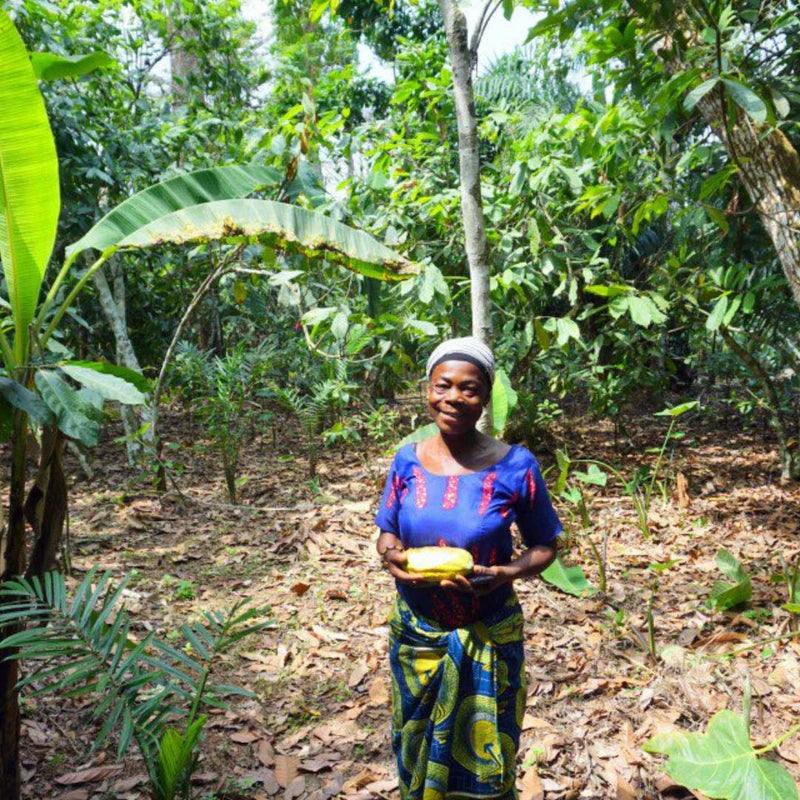
We are sourcing initial small quantities of cocoa beans from dynamic agroforestry (DAF).
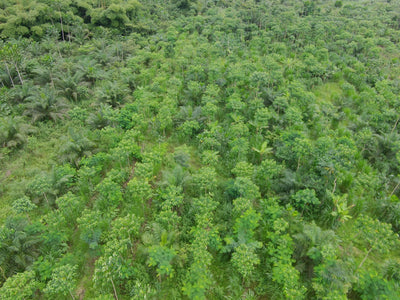
Q2 2024 - today
Expanding our partnerships:
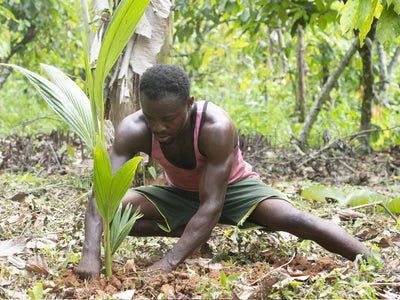
A trained team helps to optimize DAF farms, establish additional farms, and convert existing farms.
Q3 2024 - today
Expanding income sources:
Expanding existing farms with new plants to open up further income sources for farmers.
2025
Building our own cocoa bean processing plant:
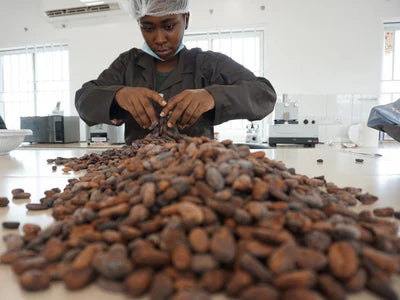
To ensure we can always buy cocoa beans from our DAF farms, we built our own cocoa bean processing plant. We now process everything in our factory, from the cocoa bean to the finished chocolate.
Phase 1
DAF Kick-off & Expansion of our Partnerships
What has already been achieved
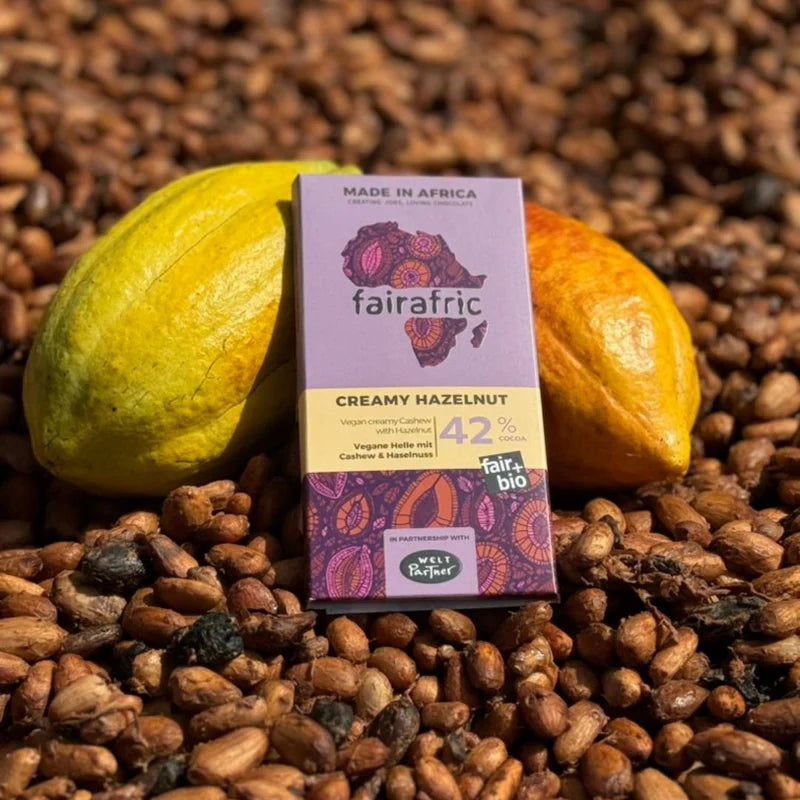
Fairafric purchased its first quantities of organic cocoa from DAF in 2024 and was able to further expand the quantities in 2025.
Over 500 cocoa families are already participating in the DAF initiative.
Phase 2
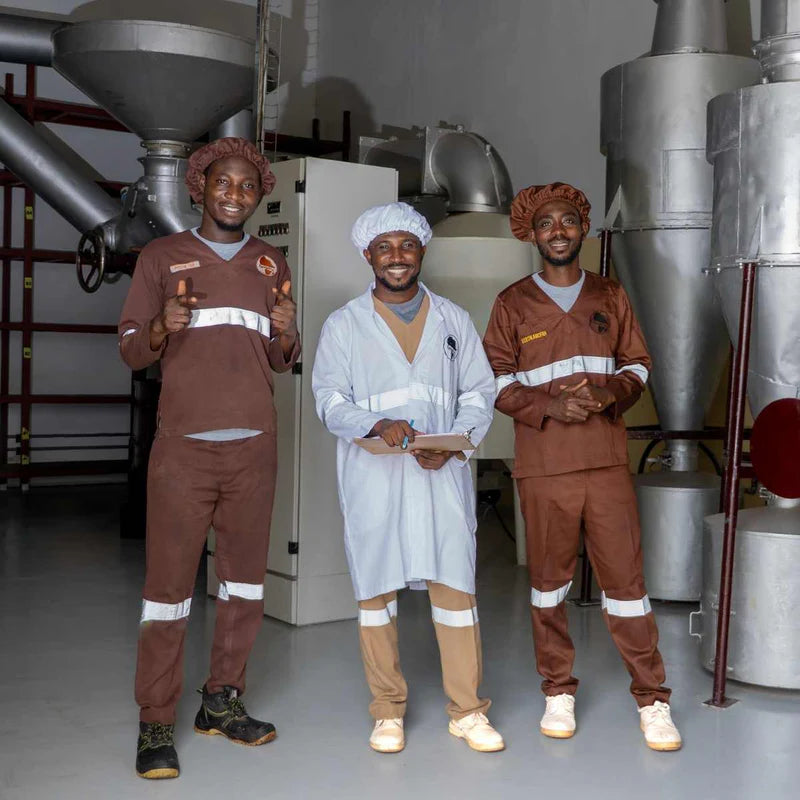
Construction of our own cocoa bean processing plant

What has already been achieved
The cocoa bean processing facilities are installed, initial training for our team is complete – now we are starting to process our own cocoa beans.
For us, this means even more consistent sourcing from our dynamic agroforestry systems and greater control over quality.
The next phase of our Road to Climate Positivity begins now.
This is how it continues
Our next steps towards climate positivity
from Q1 2026
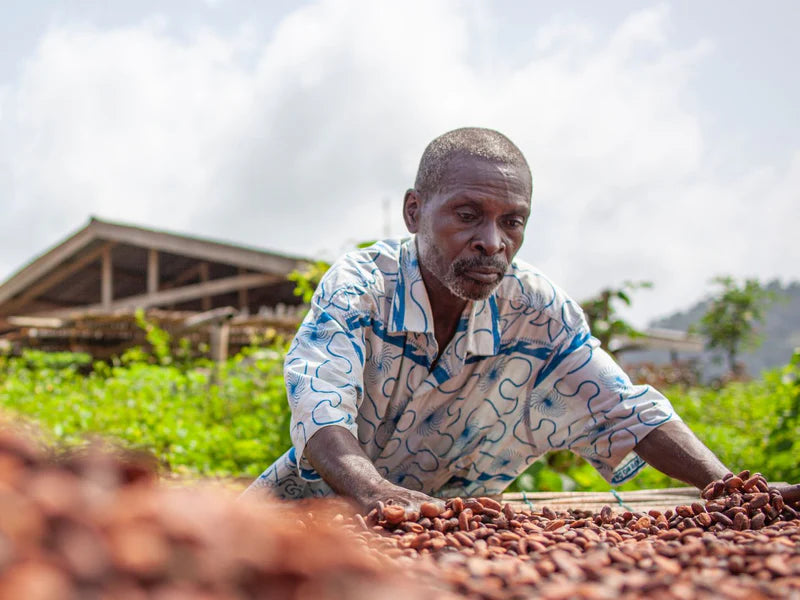
Increasing volumes of DAF:
We want to continuously expand our share of DAF cocoa until, as a long-term goal, we source all of our organic cocoa from DAF.
from 2026
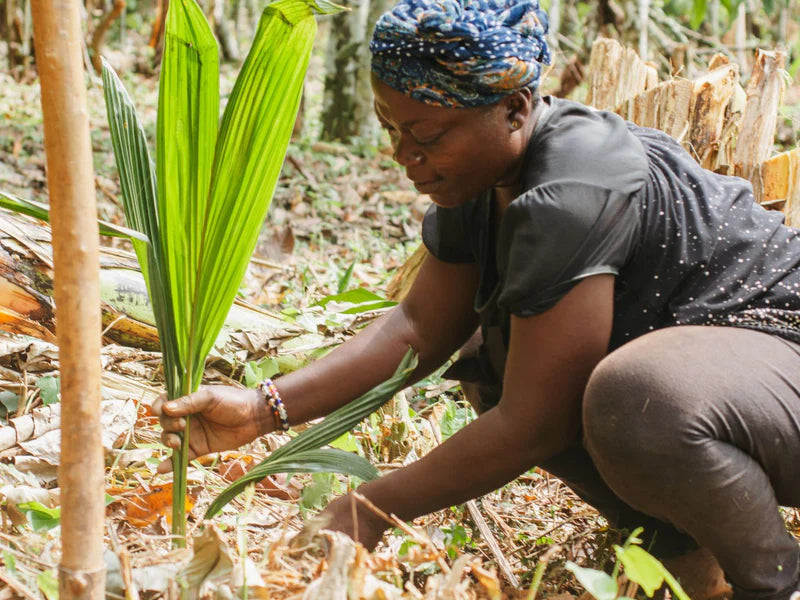
Income diversification:
In the long term, we want to buy other products from our farmers and increase their income.
To make this possible, we need you!
With your support, chocolate can play a leading role in the fight against climate change and create well-paid jobs in West Africa.
Join us and invest in a sustainable chocolate revolution!
Climate loans
Pre-financing of DAF cocoa cultivation
Chocolate voucher
Your interest in chocolate
At a glance
The advantages of dynamic agroforestry (DAF)
More biodiversity & species diversity
Cocoa farms become more resilient to pests and climate change. Soil fertility is also significantly increased.
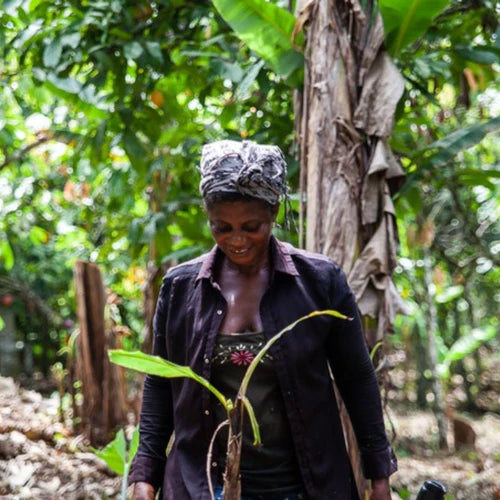
Higher income for cocoa farmers
By cultivating products such as mangoes, avocados and coconuts, farmers can significantly increase their income and become less dependent on cocoa.
Climate-positive chocolate
Once we source all our cocoa from DAF farms, we can store the CO2 footprint of each bar up to four times in the ground. Unique!
FAQ
What is climate positivity?
Climate positive means that more climate-damaging emissions (e.g. CO2) and impacts are absorbed than are caused.
Fairafric's goal is to leave the Earth in a better state than it was before our work. This involves not only CO2 reduction, but also soil fertility, water retention, the highest possible biodiversity of plants and animals, resilience to climate change, and the production of healthy products.
What is Dynamic Agroforestry (DAF)?
The Dynamic Agroforestry (DAF) cultivation method is based on the knowledge of the indigenous peoples of Latin America and combines many elements of regenerative agriculture or permaculture. Plants are cultivated at different levels (shrubs, half-standards, etc.) within the forest, and various local tree species are planted: useful plants, biomass trees, shade trees, and so on. A primary goal is to produce a large amount of biomass to improve soil quality. Therefore, not only cacao is cultivated, but also other tree and plant species such as cashew, mango, pineapple, etc., which can be processed by Fairafric. The production of biomass sequesters a significant amount of CO2 in the long term—considerably more than is emitted in Fairafric's entire value chain.
How does fairafric intent to achieve climate positivity?
Thanks to its own solar-powered factory, fairafric emits significantly fewer emissions than other chocolate manufacturers. Nevertheless, unavoidable emissions (e.g., in logistics) are generated. These have so far been offset by supporting climate projects in West Africa.
However, our main goal within our own value chain is to leave the environment in a better condition than we found it.
Therefore, fairafric now sources cocoa from a Dynamic Agroforestry (DAF) project in Ghana. According to initial external analyses by experts, fairafric can thus bind three times as much CO2 in the soil in the long term as is emitted in the value chain!
How is cocoa conventionally grown?
Cocoa is one of the most important cash crops in West Africa. Due to a lack of alternatives and to generate income for the family, land is often cleared and then planted with as many cocoa trees as possible. After a few years of intensive cultivation, the soil's nutrient reserves are depleted, necessitating the heavy use of artificial fertilizers and pesticides. In Ghana, conventional cocoa farming is responsible for the deforestation of 25% of the rainforest.
What is the connection between cocoa farming and climate change?
Deforestation of the rainforest releases large amounts of CO2. Furthermore, monoculture farming and the massive use of pesticides degrade soil quality, reducing the soil's capacity to retain water and carbon.
Progressive climate change, in turn, leads to drastically altered weather patterns and an increase in climate disasters. Since cocoa trees in conventional cultivation exhibit significantly lower resilience, crop failures are already occurring, while yields in regenerative cultivation methods such as DAF are hardly affected because the plants are healthier and highly resilient.
What advantages does DAF have compared to conventional cocoa farming?
The cacao tree is a shade-loving plant. This means that the cacao tree needs larger trees (e.g., palms) above it to shade it and help it grow and thrive optimally. At DAF, therefore, care is taken to ensure that the trees and plants next to the cacao trees provide sufficient shade and supply the nutrients the cacao tree needs. A wide variety of plants is necessary for this symbiosis. This symbiosis promotes biodiversity, increases the yield per tree, improves soil fertility and water retention capacity, and the biomass trees actively store CO2 in the soil.
How significant is the climate effect?
Initial analyses by external experts have determined that by storing biomass in the soil, fairafric can store up to 3x more CO2 in the soil in the long term than is emitted in the entire value chain.
What does this mean for farmers?
1. Higher Cocoa Premium:
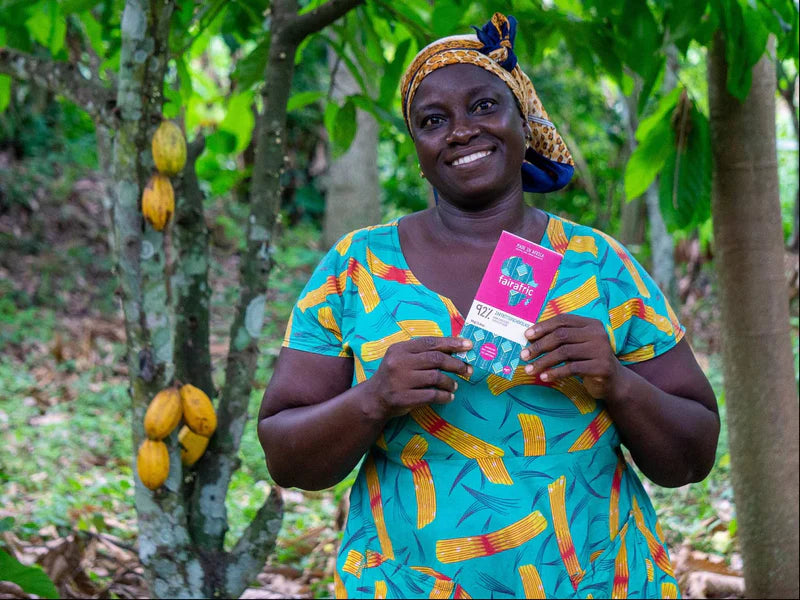
In addition to the highest organic premium ($792/ton), fairafric pays farmers in West Africa a climate premium of $250/ton. Therefore, cocoa families receive $1,042 per ton of organic cocoa from DAF. This is many times the regular organic premium ($300/ton) or other certifications such as Fairtrade ($240/ton).
2. Income diversification:
Growing several crops helps to diversify income and makes it possible to generate income even outside of the cocoa harvest season.
3. Improved Soil Quality & Resilience to Climate Change:
By improving soil fertility and through other soil benefits, DAF makes plants significantly stronger and more resistant to environmental influences. Furthermore, improved soil quality increases the quality and yield of the crops. This allows for long-term, sustainable, and natural cultivation of the land.
Can one view this in person?
With our new Visitor Center, we want to give our customers the opportunity to gain an in-depth look at our operations. The factory tour is combined with a visit to our farmers' communities, all in one day! A unique experience worldwide!